How to Build a Mini Jet Boat: DIY Guide for Beginners

Friday, November 22, 2024

How to Build a Mini Jet Boat: DIY Guide for Beginners

How to Build a Mini Jet Boat: DIY Guide for Beginners

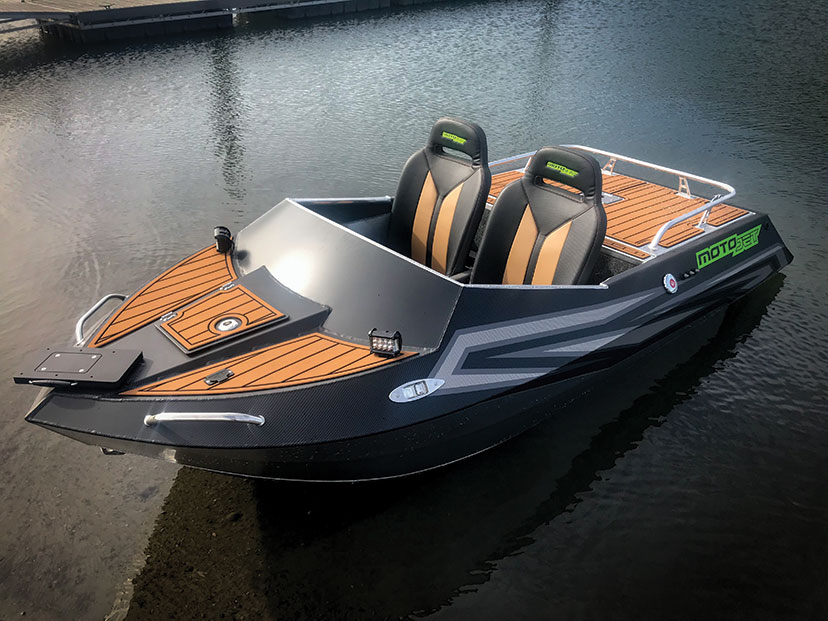
Hey there, thrill seekers! Ever dreamed of cruising the water in your own custom-built jet boat? You know, the kind that can zip around, do cool spins, and even launch off ramps (with proper safety, of course!). Well, guess what? Building your own mini jet boat isn't as crazy as it sounds. I'm going to walk you through the process, step by step, so you can transform your backyard pond or lake into your personal playground.

Gathering Your Gear: The Essential Ingredients

Think of building a mini jet boat like baking a cake. You need the right ingredients! This isn't a quick and easy "throw it together" kind of project. You'll need to put in some time and effort, but the reward of having your own creation is definitely worth it.

1. The Foundation: The Hull

You're gonna need a base for your jet boat. This is where things get a little creative. You have a few options:

  • Pre-made Hull: This is the easiest route. You can buy a pre-made fiberglass or plastic hull designed for mini jet boats. These are usually pretty lightweight and ready to go. You can find them online or at hobby shops.
  • DIY Hull: Feeling a little more adventurous? You can build your own hull from plywood or fiberglass. This takes more time and skill, but it lets you customize the shape and size. Lots of online resources can guide you through this process.
  • Recycled Hull: Get creative! You can try repurposing a plastic kiddie pool, a small kayak, or even a modified cooler. Just make sure it's strong enough and has a flat bottom for the jet pump to sit on.

2. The Powerhouse: The Jet Pump

This is the heart of your jet boat. You'll need a jet pump that's strong enough to propel your hull through the water. You can choose between:

  • Electric Jet Pump: These are generally quieter and more environmentally friendly. They're perfect for smaller boats and ponds. You'll need a powerful battery to run it, though.
  • Gas Jet Pump: These offer more power and can handle larger hulls and rougher water. You'll need a small gas engine and a fuel tank.

3. Steering and Control: Making It Move

You need a way to steer your jet boat! You can use a simple rudder system, a joystick control, or even a remote control setup for more fun.

4. Other Essential Bits and Pieces

Don't forget the little things:

  • Battery/Fuel Tank: You'll need a power source for your jet pump.
  • Propeller: The jet pump's propeller helps move the water and create thrust.
  • Impeller: The impeller is a rotating part inside the jet pump that pushes the water out the back.
  • Nozzles: The nozzle directs the water flow from the jet pump.
  • Mounting Hardware: You'll need screws, nuts, bolts, and other hardware to attach your components.
  • Tools: A drill, screwdriver, wrenches, and other tools for assembly.
  • Safety Gear: Don't forget a life jacket, a whistle, and a first aid kit.

Building Your Mini Jet Boat: A Step-by-Step Guide

Now that you have all your goodies, it's time to assemble your mini jet boat! Here's a basic outline:

1. Preparing the Hull

If you're starting with a pre-made hull, give it a good cleaning. If you're building your own, carefully assemble the plywood or fiberglass according to your plans.

2. Mounting the Jet Pump

This is crucial. Make sure the jet pump is securely mounted to the bottom of the hull, positioned so the nozzle points straight back. You might need to reinforce the hull around the mounting area.

3. Adding Steering and Control

Install your steering system (rudder, joystick, or remote control) so you can control the boat's direction. Make sure it's connected securely to the jet pump.

4. Connecting the Power Source

Wire up your battery or fuel tank to the jet pump according to the manufacturer's instructions. Be careful with electrical connections!

5. Testing and Fine-tuning

Time for the exciting part: testing it out! Start in a calm pool or shallow area. Make sure everything works properly and adjust your steering and jet pump settings as needed.

6. Finishing Touches

Once everything is working well, add any extra features you want, like a seat, a deck, or even some fancy paint!

Safety First, Fun Second

Remember, safety is always top priority! Here are a few things to keep in mind:

  • Always Wear a Life Jacket: No exceptions! Even if you're in shallow water.
  • Start in a Calm Area: Test your boat in a calm, controlled environment before venturing into open water.
  • Be Aware of Your Surroundings: Look out for other boats, swimmers, and obstacles.
  • Follow Boating Laws: Check your local regulations regarding boat size, registration, and speed limits.
  • Don't Push It: Start slow and gradually increase your speed as you gain confidence.

Tips for Success

Here are a few tips to help you build the coolest mini jet boat on the block:

  • Start Small: Don't try to build a super powerful boat right away. A small, simple design is easier to manage and will give you a feel for the process.
  • Seek Help: Don't be afraid to ask for help from experienced boat builders or hobbyists. They can offer valuable advice and guidance.
  • Document Your Progress: Take pictures and videos of your build process. It's a great way to track your progress and share your creation with others.
  • Have Fun: This is a project about enjoying the water! Don't get too caught up in the details. Just relax and have fun with it!

Commonly Asked Questions

1. How much does it cost to build a mini jet boat?

The cost can vary depending on the materials you choose and the complexity of your design. You can build a basic mini jet boat for a few hundred dollars, but more advanced designs can cost upwards of $1000. Look for deals on used parts or consider building your own hull to save money.

2. What are the best resources for learning how to build a mini jet boat?

The internet is your friend! Search for "mini jet boat plans," "DIY jet boat," or "building a jet boat" on YouTube and Google. There are lots of tutorials, guides, and forums with information and tips.

3. What kind of jet pump should I use for my mini jet boat?

It depends on the size of your boat and the type of water you'll be running it in. For smaller boats in calm water, an electric jet pump is a good choice. For larger boats or rougher water, a gas jet pump will provide more power.

4. How do I get my mini jet boat registered?

Check your local boating regulations. Some states require registration for all motorized watercraft, regardless of size. You may need to get a title and registration number for your boat.

5. Is it safe to build my own mini jet boat?

It can be safe if you follow proper procedures and safety precautions. Always use high-quality materials, assemble everything securely, and test your boat thoroughly before using it. Don't be afraid to seek help from experienced boat builders or hobbyists.

Now go out there and build your dream mini jet boat! It's time to make some waves!

Read More..

Wooden Rowboat Plans for a Functional and Affordable Design

Wooden Rowboat Plans for a Functional and Affordable Design

Building a Wooden Rowboat: A Guide to Affordable, Functional Design

The allure of a handcrafted wooden rowboat is undeniable. Imagine gliding across a tranquil lake, the rhythmic dip of the oars breaking the quiet, and the gentle rocking of the boat as you navigate the water. Building your own rowboat is a rewarding project that offers a unique blend of craftsmanship, practicality, and connection to nature. This guide will delve into the essential elements of constructing a functional and affordable wooden rowboat, making this dream a reality for aspiring boat builders.

Choosing the Right Design

The first step is to select a rowboat design that aligns with your skills, resources, and intended use. Numerous plans are available online and from reputable boatbuilding suppliers. Consider the following factors when making your choice:

Boat Length and Beam:

  • Shorter boats are easier to build and maneuver, but offer less stability and carrying capacity.
  • Longer boats provide greater stability and can carry more weight, but require more space for construction and handling.

Rowing Style:

  • Sculling utilizes a single oar on each side, offering precise maneuverability.
  • Traditional rowing involves a pair of oars, providing more power for faster speeds.

Material Selection:

  • Cedar is known for its durability, light weight, and resistance to rot.
  • Pine is a budget-friendly option that is easy to work with.
  • Oak offers exceptional strength and longevity, but can be more challenging to shape.

Gathering Essential Materials

Once you have chosen a design, you'll need to acquire the necessary materials. This includes:

  • Wood: The chosen wood species, cut to the specified dimensions in your plans.
  • Marine Plywood: For the transom, floorboards, and other structural components.
  • Fasteners: Galvanized screws, nails, and rivets, suitable for marine applications.
  • Epoxy Resin: For bonding wood and sealing seams.
  • Fiberglass Cloth: For reinforcing high-stress areas.
  • Paint: A marine-grade paint to protect the wood from water damage.
  • Hardware: Oars, rowlocks, seats, and any additional fittings.

Construction Process: Step by Step

The construction process involves a series of steps that require patience, precision, and attention to detail. Follow these steps carefully, ensuring each stage is completed to the highest standard.

Building the Frame:

  • Cut and shape the keel, stem, stern, and ribs to the plan's specifications.
  • Join the keel to the stem and stern, creating the backbone of the boat.
  • Attach the ribs to the keel, forming the boat's frame.

Planking the Hull:

  • Fit and attach the planks to the frame, working from the keel upwards.
  • Use epoxy resin and screws or nails to secure the planks firmly.
  • Caulk any gaps to prevent water ingress.

Finishing Touches:

  • Sand the hull smooth and apply a coat of epoxy resin for added protection.
  • Add fiberglass cloth to reinforce high-stress areas, such as the transom and keel.
  • Apply the chosen paint to the hull, ensuring a durable and weather-resistant finish.

Tips for Building a Successful Rowboat

To ensure a successful outcome, keep the following tips in mind:

  • Invest in quality tools: A well-equipped workshop is essential for accurate cutting, shaping, and assembly.
  • Read the plans carefully: Thoroughly understand each step before beginning construction.
  • Seek guidance from experienced boat builders: Don't hesitate to ask for advice or help if you encounter challenges.
  • Take your time and enjoy the process: Building a wooden rowboat is a labor of love, so savor each moment and take pride in your accomplishment.

Building a wooden rowboat is a rewarding journey, offering a tangible expression of your skills and creativity. By following these guidelines and embracing the challenges with enthusiasm, you can construct a functional and affordable boat that will provide years of enjoyment on the water.

Read More..

Free Houseboat Plans for Building a Comfortable Floating Home

Free Houseboat Plans for Building a Comfortable Floating Home

Free Houseboat Plans for Building a Comfortable Floating Home

Hey there, water lovers! Ever dreamed of living on the water, waking up to sunrises over the shimmering surface and enjoying the gentle sway of the waves? Well, building your own houseboat could be the adventure you've been waiting for! And guess what? You don't need a fancy architect or a boatload of cash to get started.

The internet is brimming with free houseboat plans, offering designs for all tastes and budgets. Whether you're a seasoned DIYer or a curious beginner, you'll find resources to guide you on this exciting journey.

Let's dive into the world of free houseboat plans and discover how you can turn your dream of living on the water into a reality!

Where to Find Free Houseboat Plans

The internet is your oyster when it comes to finding free houseboat plans. Here are some places to start your search:

Online Forums and Communities

Join online forums and communities dedicated to houseboating. You'll find experienced builders sharing their plans, offering advice, and answering questions. Here are a few popular ones:

  • The Boat Design Forum: A bustling hub for boat enthusiasts, with a dedicated section for houseboat discussions.
  • Cruisers Forum: A comprehensive forum covering all aspects of boating, including houseboat building and design.
  • Houseboat.com: A dedicated website for all things houseboat, with a forum where you can connect with other houseboat owners and builders.

Freelance Design Websites

Websites like Freelancer and Upwork often have freelance architects and designers offering their services at affordable rates. You can post a project detailing your houseboat vision and budget, and connect with talented individuals who might have free houseboat plans available.

Free Plan Websites

While free houseboat plans are not as common as plans for other types of structures, you might find some gems on websites dedicated to free plans:

  • FreePlans.com: A website offering free plans for various projects, including some houseboat designs.
  • Plan Collection: A vast database of free plans for a variety of structures, including some houseboat designs.

Remember, even if you don't find an exact match for your dream houseboat, these plans can serve as inspiration and a starting point for your own custom design.

Understanding Free Houseboat Plans

While free houseboat plans can be a great starting point, they often come with some limitations. Here's what you need to consider:

Basic Designs vs. Detailed Plans

Free houseboat plans are often basic designs, providing general layouts and dimensions. They may not include detailed construction drawings, material specifications, or engineering calculations.

Adapting Plans to Your Needs

Don't be afraid to adapt the free plans to fit your specific requirements. You can modify the size, shape, layout, and features to create a houseboat that suits your lifestyle and budget.

Seeking Professional Guidance

For more complex designs or for ensuring structural integrity, consider consulting a naval architect or a licensed professional engineer. While their services come at a cost, their expertise can save you headaches and ensure your houseboat is safe and seaworthy.

Building Your Floating Home

Building a houseboat is no small feat, but it can be incredibly rewarding. Here's a glimpse into the process:

Choosing the Right Hull

The hull is the foundation of your houseboat. You have several options:

  • Pontoon hulls: Popular for their stability and ease of construction. They provide a spacious interior and are relatively affordable.
  • Monocoque hulls: Offer a sleek, streamlined design and are suitable for larger, more luxurious houseboats. They require advanced construction techniques.
  • Catamaran hulls: Provide excellent stability and maneuverability. They offer a larger deck area but can be more expensive to build.

The right hull choice depends on your budget, desired size, and the intended use of your houseboat.

Designing the Interior

Once you have the hull, it's time to plan the interior. Consider your living needs, including sleeping arrangements, kitchen and bathroom facilities, storage space, and any additional features you desire.

Free houseboat plans can provide inspiration for layouts, but don't be afraid to get creative and personalize the space to your liking.

Construction and Finishing

The construction phase involves assembling the hull, framing the interior, installing plumbing and electrical systems, and finishing the surfaces. This can be a complex process, requiring carpentry skills and knowledge of marine construction techniques.

You might choose to hire professional contractors for certain tasks, such as electrical wiring, plumbing, and welding. However, many of the construction tasks can be done by DIY enthusiasts with the right guidance and a can-do attitude.

Safety and Regulations

Safety should be your top priority. Ensure your houseboat meets local boating regulations and safety standards. Obtain the necessary permits and inspections before launching your floating home.

Commonly Asked Questions

Let's address some of the most frequent questions about building a houseboat with free plans:

Is it Really Possible to Build a Houseboat with Free Plans?

Absolutely! While free plans might not include every detail, they can serve as a valuable starting point. You can adapt and modify them to suit your needs and budget. Remember, even seasoned boat builders often start with basic plans and tailor them to their specific projects.

What Skills Do I Need to Build a Houseboat?

Basic carpentry, plumbing, and electrical skills are essential. You'll also need to be comfortable working with marine materials and construction techniques. Don't worry if you don't have extensive experience; you can learn along the way and seek guidance from experienced boat builders or online resources.

How Much Does it Cost to Build a Houseboat?

The cost of building a houseboat varies significantly depending on size, design, materials, and the level of DIY involvement. You can potentially build a smaller, more basic houseboat for under $20,000. However, larger and more luxurious designs can easily exceed $100,000.

What Are the Advantages of Building a Houseboat?

Building a houseboat offers numerous advantages, including:

  • Unique and personalized living space: Design and build a floating home that reflects your individual style and needs.
  • Flexibility and mobility: Enjoy the freedom to move your houseboat to different locations, explore new waterways, and experience a nomadic lifestyle.
  • Immersive connection with nature: Wake up to stunning water views and enjoy a peaceful and serene lifestyle.

Building your own houseboat can be a challenging but deeply rewarding experience. With the right plans, resources, and dedication, you can turn your dream of living on the water into a reality.

Read More..

Building an Aluminum Boat: Key Considerations for Design and Functionality

Tuesday, November 19, 2024

Building an Aluminum Boat: Key Considerations for Design and Functionality

Building an Aluminum Boat: Key Considerations for Design and Functionality

Constructing an aluminum boat presents an enticing project for skilled builders, promising a durable and lightweight watercraft. However, success hinges upon careful consideration of design and functionality. This article delves into crucial aspects to guide you through the process.

Design Considerations

Boat Type and Intended Use

The first step involves defining the boat's purpose. Will it be a fishing boat, a leisure craft, a tender, or a utility vessel? The intended use dictates critical factors such as length, beam, draft, and hull design.

Hull Shape and Material

Aluminum's versatility allows for various hull shapes, each influencing performance characteristics. Common options include:

  • V-hull: Offers excellent stability and ride quality in rough water, but may sacrifice speed.
  • Modified V-hull: Combines the stability of a V-hull with a flatter bottom for improved speed and maneuverability.
  • Catamaran: Features twin hulls, providing exceptional stability and spacious deck area, ideal for fishing or leisure.
  • Pontoon: Constructed with pontoons instead of a traditional hull, offering exceptional stability for large groups or heavy loads.

Material selection depends on the intended use and budget. Marine-grade aluminum is the preferred choice for its resistance to corrosion and durability.

Dimensions and Weight

Determine the boat's length, beam, and draft. These dimensions influence stability, capacity, and maneuverability. Weight is crucial for determining the engine size required for adequate performance.

Stability and Buoyancy

Ensure adequate stability by considering the center of gravity and buoyancy distribution. Properly placed flotation devices and hull design contribute to overall safety.

Deck Layout and Features

Plan the deck layout to suit the intended use. Consider the placement of seating, fishing platforms, storage compartments, and other essential features.

Functionality and Performance

Engine Selection and Power

Choose an engine that provides adequate power for the boat's size, weight, and intended use. Factors such as horsepower, fuel economy, and maintenance costs play a significant role.

Steering and Control System

The steering system should provide precise control and responsiveness. Consider hydraulic or mechanical steering options based on boat size and desired performance.

Navigation Equipment

Install essential navigation equipment, including a compass, depth sounder, GPS, and radio. These enhance safety and improve navigation capabilities.

Safety Features

Prioritize safety by incorporating features like:

  • Life jackets for all passengers
  • Fire extinguishers
  • Navigation lights
  • Bilge pump
  • First aid kit

Construction Process

Materials and Tools

Gather the necessary materials, including:

  • Marine-grade aluminum sheets and extrusions
  • Welding equipment (TIG or MIG)
  • Cutting tools (plasma cutter, shears)
  • Riveting tools
  • Fasteners and adhesives
  • Protective gear (gloves, mask, safety glasses)

Building the Hull

Carefully cut and shape the aluminum sheets to form the hull panels. Utilize welding or riveting to join the panels securely. Ensure proper alignment and structural integrity.

Adding Deck and Superstructure

Construct the deck framework and attach it to the hull. Build any desired superstructure, including cabins, seating, or fishing platforms.

Finishing and Refinement

Finish the boat by applying paint, sealant, and other protective coatings. Install all necessary equipment and fixtures.

Maintenance and Care

Regular maintenance is crucial for preserving your aluminum boat. Key aspects include:

  • Cleaning and Waxing: Wash the boat regularly to remove dirt and debris. Apply wax to protect the aluminum and enhance shine.
  • Corrosion Protection: Inspect the boat for signs of corrosion and address any issues promptly. Use appropriate corrosion inhibitors to prevent further damage.
  • Engine Maintenance: Follow the engine manufacturer's recommendations for regular maintenance, including oil changes, filter replacements, and tune-ups.
  • Storage: Store the boat in a dry, protected location when not in use. Cover it with a boat cover to protect it from weather elements.

Conclusion

Building an aluminum boat is a rewarding endeavor, but it requires meticulous planning, skilled craftsmanship, and adherence to safety guidelines. By carefully considering the design, functionality, and construction process, you can create a durable, lightweight, and reliable watercraft. Remember to prioritize safety, perform regular maintenance, and enjoy the fruits of your labor on the water.

Read More..

How to Build a Fishing Boat: Full Construction Plans for DIYers

Saturday, November 16, 2024

How to Build a Fishing Boat: Full Construction Plans for DIYers

How to Build a Fishing Boat: Full Construction Plans for DIYers

Hey there, fellow fishing enthusiasts! Ever dreamt of cruising the open water in a boat you built yourself? Well, you’re in the right place! Building your own fishing boat can be a truly rewarding experience â€" a blend of craftsmanship, adventure, and a sense of accomplishment that’s hard to beat. This guide is your roadmap to crafting your own fishing vessel, taking you from dreaming to casting your line. We’ll cover everything from design and materials to construction techniques and essential safety considerations. So grab your tools, get your hands dirty, and let’s embark on this exciting journey together!

Choosing Your Boat Design

The first step is deciding what kind of boat you want to build. Think about the kind of fishing you plan to do, where you’ll be fishing, and the size of your crew. Here are some popular fishing boat types:

  • Jon Boats: These are simple, flat-bottomed boats perfect for shallow waters and small ponds. They’re easy to build and very versatile.
  • Skiffs: Skiffs are a bit more sophisticated than jon boats, with a slight V-shaped hull for better handling in choppy water. They’re ideal for inshore fishing and coastal exploration.
  • Pontoon Boats: Designed for stability, pontoon boats are fantastic for larger groups or fishing in rough waters.
  • Duck Boats: These shallow-draft boats are perfect for hunting and fishing in marshes and wetlands.

Gathering Materials

Once you’ve settled on a design, you’ll need to gather the necessary materials. Here’s a general list, but be sure to consult your boat plans for specific requirements:

  • Wood: Marine plywood, cedar, oak, or other suitable woods
  • Fiberglass: Cloth, resin, and hardener for hull reinforcement
  • Hardware: Fasteners, hinges, cleats, and other boat fittings
  • Engine and Propeller: Choose a suitable engine based on your boat’s size and intended use.
  • Trailer: If you’ll be transporting the boat, you’ll need a trailer to match its size and weight.

Construction Process: Step-by-Step

Building a boat is a rewarding process, but it requires careful attention to detail and safety. Here's a breakdown of the key steps:

1. Framing and Planking:

Start by creating the boat's framework using wood. Cut and assemble the ribs, stringers, and keel according to your plans. Once the frame is complete, attach the planking, carefully selecting and joining wood pieces for a smooth and watertight hull.

2. Glassing and Finishing:

Once the hull is assembled, it’s time for fiberglassing. Apply layers of fiberglass cloth and resin to the entire hull, ensuring complete coverage and smooth transitions. This process strengthens the hull and makes it waterproof. After the fiberglass has cured, sand the surface smooth and prepare for painting.

3. Installing Deck and Seating:

Build and attach the deck, using plywood and marine-grade fasteners. Install seating, storage compartments, and any other features according to your design. Remember to ensure all structures are securely fastened and well-sealed.

4. Installing Engine and Equipment:

Choose an appropriate engine and propeller for your boat’s size and intended use. Install the engine securely on the transom, ensuring proper alignment and mounting. Attach steering and control systems, and install navigation lights, bilge pump, and any other essential equipment.

5. Painting and Finishing:

Give your boat a protective and eye-catching finish. Sand the surface smooth and apply a primer, followed by your chosen paint color. Apply sealant and varnish to protect the wood and fiberglass. Add any decorative touches or branding to personalize your creation.

Safety Considerations

Safety is paramount when building and using a boat. Here are some crucial points to remember:

  • Follow Plans: Stick to your design plans, don’t deviate without consulting a skilled boatbuilder.
  • Use Proper Materials: Use marine-grade materials designed for the harsh conditions of a boat.
  • Work Safely: Wear appropriate safety gear, including eye protection, gloves, and masks.
  • Check for Leaks: Test the hull thoroughly for leaks after construction and before launching.
  • Get a Boat Registration: Register your boat with the proper authorities in your region.

Commonly Asked Questions

Here are some common questions about building your own fishing boat:

Q: What's the best wood to use?

Marine-grade plywood, cedar, and oak are excellent choices for boat building due to their durability and resistance to water damage.

Q: Can I build a boat in my garage?

The size of your boat will determine if it can be built in your garage. Smaller boats, like jon boats or skiffs, can be built in a garage with adequate space.

Q: How much does it cost to build a boat?

The cost varies depending on the design, size, and materials you choose. Expect to spend anywhere from a few hundred dollars to several thousand dollars.

Q: Do I need any special skills to build a boat?

Basic woodworking skills are essential, but don’t be discouraged if you're a beginner. Plenty of resources, plans, and tutorials can help you learn.

Building your own fishing boat is a challenging but rewarding endeavor. It combines your passion for fishing with the satisfaction of crafting something unique with your own hands. With careful planning, patience, and dedication, you can create a boat that will provide years of enjoyment on the water. Tight lines!

Read More..

How to Build a Yacht Hull with Easy-to-Follow Plans

Thursday, November 14, 2024

How to Build a Yacht Hull with Easy-to-Follow Plans

Building a Yacht Hull: A Comprehensive Guide

Constructing a yacht hull is a complex and demanding endeavor, requiring a deep understanding of naval architecture, materials, and construction techniques. This comprehensive guide aims to provide a detailed outline of the process, encompassing key steps, essential considerations, and practical tips for a successful build.

I. Design and Planning

1.1 Defining the Scope

Before embarking on the construction journey, a clear vision of the desired yacht is paramount. This includes defining the following aspects:

  • Type of yacht: Sailboat, motor yacht, or catamaran?
  • Size and dimensions: Length, beam, draft, and displacement.
  • Hull form: Displacement hull, planing hull, or semi-displacement hull?
  • Materials: Fiberglass, wood, steel, or aluminum?
  • Features and amenities: Accommodations, engines, and equipment.

1.2 Obtaining Plans

Once the design parameters are established, acquiring comprehensive construction plans is essential. These plans serve as the blueprint for the build and encompass the following:

  • Lines plan: Defines the hull's shape and dimensions.
  • Construction drawings: Detailing the structural components, framing, and plating.
  • Mould loft drawings: Templates for cutting and shaping the hull components.
  • Equipment and systems drawings: Specifying the installation of engines, plumbing, electrical, and other systems.

Experienced yacht designers or naval architects can provide custom plans, while reputable boatbuilding suppliers offer pre-designed plans for various yacht types.

1.3 Choosing Materials

The choice of materials heavily influences the hull's strength, durability, and cost. Popular options include:

  • Fiberglass: Lightweight, versatile, and relatively inexpensive.
  • Wood: Traditional choice, offering excellent strength-to-weight ratio.
  • Steel: Robust and durable, suitable for larger yachts.
  • Aluminum: Lightweight and corrosion-resistant, often used for high-performance yachts.

The selection should align with the yacht's intended use, size, and budget. Consider factors like maintenance, longevity, and environmental impact.

II. Construction Process

2.1 Building the Molds

Molds are essential for shaping the hull and deck. They can be constructed from various materials like wood, fiberglass, or steel, depending on the size and complexity of the project.

The mold-making process involves:

  • Creating the mold loft: This is a large, flat surface where the hull lines are laid out and transferred to the mold.
  • Building the framework: A strong and stable structure is constructed to support the mold's shape.
  • Applying the mold surface: The chosen material (wood, fiberglass, or steel) is carefully shaped and attached to the framework to create the desired hull form.

2.2 Laying up the Hull

The hull is built layer by layer using the chosen material. This process is called "lay-up" and typically involves the following steps:

  • Preparing the mold: Cleaning and applying a release agent to prevent the hull from sticking to the mold.
  • Laying down the layers: Applying layers of resin-impregnated fiberglass cloth, wood veneer, or steel plates.
  • Curing the layers: Allowing the resin to harden and cure, creating a solid and rigid hull structure.

The lay-up process can be complex, requiring careful planning and attention to detail. Various techniques, such as vacuum bagging or infusion, can be employed to ensure optimal resin distribution and void-free construction.

2.3 Building the Deck and Superstructure

Once the hull is complete, the deck and superstructure are constructed using similar techniques. The deck mold is created, and the deck layers are laid up. The superstructure, which includes cabins, bridges, and other features, is built separately and then attached to the hull.

2.4 Installing Systems

After the hull, deck, and superstructure are complete, various systems are installed, including:

  • Engine and propulsion: Depending on the yacht's type, internal or external combustion engines, electric motors, or sailing rigs are installed.
  • Plumbing and sanitation: Water tanks, pumps, plumbing fixtures, and sewage systems are installed.
  • Electrical systems: Wiring, generators, batteries, and electrical appliances are installed.
  • Navigation and communication: Navigation equipment, radios, and other electronic systems are integrated.

III. Finishing and Launching

3.1 Finishing Touches

Once all systems are installed, the yacht undergoes finishing work, including:

  • Painting and coating: Applying protective paint and coatings to the hull, deck, and superstructure.
  • Interior fit-out: Installing flooring, cabinetry, upholstery, and other interior finishes.
  • Decking and exterior trim: Installing decks, rails, hatches, and other exterior features.

3.2 Launching and Sea Trials

The final step is launching the yacht into the water. This requires careful planning and coordination with a qualified marine yard.

After launching, sea trials are conducted to test the yacht's performance, handling, and systems. Any necessary adjustments or repairs are made before the yacht is ready for its intended use.

IV. Conclusion

Building a yacht hull is a demanding but rewarding process that requires meticulous planning, technical expertise, and a passion for boatbuilding. By following the steps outlined in this guide, aspiring yacht builders can embark on their construction journey with confidence and a comprehensive understanding of the involved processes.

Remember to consult with qualified professionals, adhere to industry standards, and prioritize safety throughout the project. With dedication, perseverance, and a keen eye for detail, the dream of owning and sailing a custom-built yacht can become a reality.

Read More..

Free Wooden Powerboat Plans for Fun and Affordable Projects

Free Wooden Powerboat Plans for Fun and Affordable Projects

Free Wooden Powerboat Plans for Fun and Affordable Projects

Hey there, fellow boat enthusiasts! Are you looking for a fun and rewarding project that will get you out on the water? Building your own wooden powerboat is a fantastic option, and with the right free plans, you can make it a reality without breaking the bank.

There's something truly special about crafting a boat with your own hands. You get to choose the design, select the materials, and watch it come to life piece by piece. It's a process that's both challenging and deeply satisfying.

In this article, we'll dive into the world of free wooden powerboat plans, exploring different designs, the tools you'll need, and some tips for a successful build. Let's get started!

Exploring Free Wooden Powerboat Plans

The internet is a treasure trove of free wooden powerboat plans, catering to all levels of experience and boat preferences. Here are some popular sources:

Online Boat Building Communities

Online communities dedicated to boat building are fantastic resources for finding plans, exchanging ideas, and getting support from fellow builders. Some popular options include:

  • The Wooden Boat Forum: A lively forum where you can find plans, connect with experienced builders, and ask questions.
  • The Boat Design Net: A forum with a dedicated section for free plans and design discussions.
  • The Classic Boat Forum: A great resource for those interested in classic wooden boat designs.

Boat Design Websites

Numerous websites offer free boat plans, often accompanied by helpful guides and tutorials. Here are a few to explore:

  • Boat Plans: A website offering a wide range of free plans for various boat types, including powerboats.
  • Free Boat Plans: A dedicated site featuring a collection of free plans for wooden powerboats.
  • The Boat Plans Company: A company offering both free and paid plans, with a focus on wooden boats.

Boat Building Books

Don't underestimate the power of good old-fashioned books! Many boat building books include free plans within their pages. Head to your local library or bookstore and see what they have to offer.

Choosing the Right Plan for You

With so many free plans available, it's important to choose one that aligns with your skills, resources, and goals. Consider these factors:

  • Experience Level: Are you a beginner, intermediate, or experienced builder? Choose a plan that matches your skill level.
  • Boat Size: How big do you want your boat to be? Smaller boats are typically easier to build and handle.
  • Boat Type: What kind of powerboat are you dreaming of? Think about your intended use, speed, and carrying capacity.
  • Material Availability: Ensure that the materials specified in the plan are readily available in your area.

Essential Tools and Materials

Building a wooden powerboat requires a range of tools and materials. Here's a basic list to get you started:

  • Hand Tools: Saw, plane, chisels, hammer, mallet, drill, screwdriver, measuring tape, level, etc.
  • Power Tools: Electric drill, jigsaw, sander, router, table saw (optional), band saw (optional).
  • Wood: Select high-quality marine plywood or solid wood suitable for boat construction. Consult with your local lumberyard or boatbuilding supplier for specific recommendations.
  • Epoxy Resin: For bonding wood and waterproofing the hull.
  • Fiberglass Cloth: For strengthening and sealing the hull.
  • Paint: Marine-grade paint to protect your boat from the elements.
  • Hardware: Fasteners, hinges, cleats, etc.
  • Engine: Choose an appropriate engine size and type based on your boat's design and intended use.

Tips for a Successful Build

Building a boat takes time and patience. Here are some tips to make your project go smoothly:

  • Read the Plans Thoroughly: Understand every step of the process before you start building.
  • Organize Your Workspace: Keep your tools and materials organized for efficiency and safety.
  • Take Your Time: Don't rush the process. Accurate cuts and proper assembly are essential.
  • Seek Guidance: Join a boat building community or consult with experienced builders for advice and support.
  • Enjoy the Journey: The process of building a boat is rewarding in itself. Savor the experience and learn from every step.

Commonly Asked Questions

How Difficult Is Building a Wooden Powerboat?

The difficulty level depends on the chosen plan and your experience. Beginner plans are typically easier, while more complex designs require more skills. It's important to assess your abilities and choose a project that's challenging but achievable. Don't be afraid to start with a smaller, simpler boat and build up your skills over time.

How Long Does It Take to Build a Wooden Powerboat?

The time required varies significantly based on the design, your experience, and the amount of time you dedicate to the project. A smaller boat can take several months to build, while larger projects might take a year or more. It's helpful to set realistic expectations and break the build into smaller, manageable tasks.

How Much Does It Cost to Build a Wooden Powerboat?

The cost of building a wooden powerboat depends on the size, materials, and engine choice. You can save money by using salvaged materials, making tools yourself, and choosing a less expensive engine. However, it's important to prioritize quality materials and craftsmanship for a safe and durable boat.

I hope this article has inspired you to embark on your own wooden powerboat building adventure! Remember, the journey is just as rewarding as the finished product. Enjoy the process, learn from your mistakes, and most importantly, have fun!

Read More..